Пластиковые подставки для ручек это мусор или полезная вещь
Время публикации:2025-12-23 20:01:10
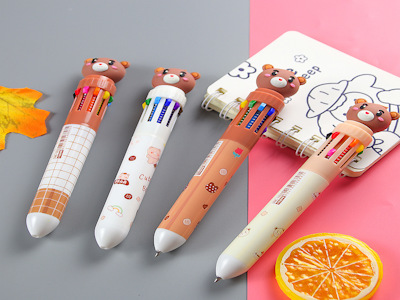



В современном мире, где пластик стал неотъемлемой частью нашей повседневной жизни, мы часто сталкиваемся с дилеммой: являются ли такие простые предметы, как пластиковые подставки для ручек, бесполезным мусором или они несут в себе скрытую ценность? Эта статья углубится в многогранный анализ этого вопроса, рассматривая практические, экологические и социальные аспекты. Мы исследуем, как эти маленькие аксессуары отражают более широкие проблемы потребления и устойчивости, и предложим пути к более осознанному использованию.
Пластиковые подставки для ручек — это, казалось бы, незначительные предметы, которые можно найти на многих офисных столах, в школах или дома. Они предназначены для организации письменных принадлежностей, предотвращая их потерю или беспорядок. Однако в эпоху растущей осведомленности об экологических проблемах, таких как загрязнение пластиком и изменение климата, даже такие мелкие вещи попадают под пристальное внимание. С одной стороны, они могут быть практичными и удобными; с другой — они добавляют к растущим горам пластиковых отходов, которые загрязняют наши океаны и земли. Эта двойственность делает тему особенно актуальной для обсуждения в контексте устойчивого развития и ответственного потребления.
Цель этой статьи — предоставить всесторонний обзор, взвешивая аргументы за и против, и предложить читателям пищу для размышлений о том, как мы можем сделать более информированный выбор в повседневной жизни. Мы начнем с изучения полезности этих подставок, затем перейдем к экологическим последствиям, и завершим рекомендациями по альтернативам и лучшим практикам.
Пластиковые подставки для ручек, несмотря на свою простоту, предлагают ряд практических преимуществ. Во-первых, они помогают поддерживать порядок на рабочем месте. В офисе или дома, где ручки, карандаши и другие мелкие предметы легко теряются, подставка служит централизованным местом для хранения, экономя время и reducing стресс от поиска нужной вещи. Исследования в области эргономики показывают, что организованное рабочее пространство может повысить продуктивность на 10-15%, так как оно уменьшает когнитивную нагрузку и отвлекающие факторы.
Кроме того, эти подставки often изготавливаются из durable материалов, таких как полипропилен или ABS-пластик, которые устойчивы к износу и могут служить годами. Это делает их cost-effective решением для организаций, таких как школы или корпорации, где массовые закупки могут снизить общие расходы на канцелярские принадлежности. Например, в крупных компаниях использование стандартизированных подставок может упростить процессы инвентаризации и сократить потери.
С точки зрения дизайна, пластиковые подставки могут быть customized с логотипами или цветами, что добавляет элемент брендинга и эстетики. Это не только функционально, но и способствует корпоративной культуре или personal expression. Для детей в школах, яркие и fun подставки могут сделать процесс обучения более engaging, encouraging организационные навыки с раннего возраста.
Однако, полезность не should be overstated. В некоторых контекстах, таких как минималистичные или digital-focused среды, эти подставки могут быть излишними. Но overall, их практическая value undeniable для многих пользователей.
Несмотря на свою полезность, пластиковые подставки для ручек несут значительные экологические издержки. Производство пластика involves extraction ископаемого топлива, такого как нефть или природный газ, что contributes к выбросам парниковых газов и depletion природных ресурсов. По данным Environmental Protection Agency (EPA), производство одного килограмма пластика emits approximately 2-3 кг CO2-equivalent, а global plastic production превышает 400 million тонн annually, with packaging items like pen holders contributing a small but cumulative portion.
После использования, эти подставки often end up в landfills или, что хуже, в океанах. Пластик не biodegradates easily; instead, он breaks down into microplastics, которые загрязняют почву и water, harm wildlife, и потенциально enter the food chain, affecting human health. Studies show that plastic pollution is a growing crisis, with over 8 million tons of plastic entering the oceans each year. While pen holders are a minor contributor, their proliferation adds to the problem, especially if not disposed of properly.
Recycling offers a partial solution, but it is not foolproof. Many plastic pen holders are made from types that are recyclable, such as #5 polypropylene, but recycling rates remain low globally due to infrastructure limitations and consumer behavior. In some regions, less than 10% of plastic waste is recycled, meaning the majority ends up as pollution. Moreover, the energy required for recycling still has an environmental footprint, though it is lower than virgin plastic production.
This chapter underscores that while plastic pen holders have immediate benefits, their long-term environmental costs cannot be ignored. It calls for a critical evaluation of whether their utility justifies the ecological harm.
Beyond practicality and environment, plastic pen holders intersect with social and economic dimensions. On the positive side, their manufacturing supports jobs in the plastics industry, which employs millions worldwide. In developing countries, small-scale production of such items can provide livelihood opportunities, though often under poor working conditions that raise ethical concerns.
Economically, these accessories are affordable and accessible, making them a staple in low-income settings where organization tools might otherwise be unattainable. For instance, in schools in underserved areas, donated plastic pen holders can help students keep their supplies neat, potentially improving educational outcomes by reducing distractions.
However, the social cost includes promoting a culture of disposability. The prevalence of single-use or low-durability plastic items encourages wasteful habits, where items are discarded after short use rather than repaired or reused. This mentality contributes to broader issues of overconsumption and environmental degradation. Additionally, the extraction of resources for plastic production often occurs in vulnerable communities, leading to social injustices such as land grabs and health problems from pollution.
This analysis highlights that the value of plastic pen holders is not solely functional; it is embedded in complex economic systems that require balancing benefits with ethical considerations.
Given the drawbacks, exploring alternatives to plastic pen holders is crucial for a sustainable future. One promising option is to use materials with lower environmental impact, such as bamboo, wood, or recycled metals. These materials are biodegradable or recyclable and often have a smaller carbon footprint. For example, bamboo grows rapidly and requires minimal resources, making it an eco-friendly choice for pen organizers.
Another approach is to embrace digital alternatives. In an increasingly paperless world, the need for physical pen holders might diminish. Using digital tools for note-taking and organization can reduce reliance on physical accessories altogether, though this shift has its own environmental costs from electronic waste.
For those who prefer physical solutions, reusing existing items can be effective. Old jars, cans, or DIY organizers made from repurposed materials can serve the same function without additional plastic production. Communities can promote swap events or recycling programs specifically for office supplies to extend the life of these items.
Businesses and consumers can also advocate for and adopt circular economy principles, where products are designed for longevity, repairability, and recycling. For instance, companies could offer take-back programs for old pen holders, ensuring they are properly recycled or upcycled.
This chapter emphasizes that while plastic pen holders have their place, transitioning to more sustainable options is not only possible but necessary for mitigating environmental harm.
The future of plastic pen holders lies in innovation and changing consumer attitudes. Advances in bioplastics, made from renewable resources like corn starch, offer a greener alternative that decomposes more easily. Although bioplastics are not perfect—they often require industrial composting—they represent a step forward in reducing reliance on fossil fuels.
Consumer trends are shifting towards sustainability, with more people prioritizing eco-friendly products. This demand drives companies to develop and market pen holders made from recycled materials or designed for multi-functionality. For example, some new products integrate pen holders with other office tools, reducing the need for multiple items.
Technological integration is another frontier. Smart pen holders with features like built-in charging ports or organizational apps could enhance utility while promoting durability. However, such innovations must be balanced with environmental considerations to avoid adding e-waste.
Ultimately, the future will likely see a decline in traditional plastic pen holders in favor of more sustainable options, as awareness grows and regulations tighten on plastic use. This evolution reflects a broader move towards conscious consumption.
В заключение, пластиковые подставки для ручек — это не просто black-and-white issue of trash versus utility. Они embody the tensions between convenience and environmental responsibility. На одной чаше весов — их undeniable practicality in organizing spaces and supporting productivity; на другой — their contribution to plastic pollution, resource depletion, and social inequities.
To answer the question posed in the title: они могут быть и мусором, и полезной вещью, depending on how they are used, produced, and disposed of. The key lies in mindful consumption—opting for durable, recyclable, or alternative materials when possible, and advocating for systemic changes that reduce plastic waste.
As individuals, we can make a difference by choosing sustainable options, reusing what we have, and educating others. As a society, we need policies that encourage circular economies and hold producers accountable for the entire lifecycle of their products. By doing so, we can transform simple items like pen holders from potential trash into symbols of a more sustainable future.
This exploration reminds us that every small choice matters in the grand scheme of environmental stewardship. Let's strive for balance, where utility does not come at the cost of our planet.
Статья предоставляет comprehensive analysis, предназначенный для стимулирования discussion и action towards более sustainable practices. Спасибо за чтение!
Предыдущая статья: Как прозрачный файл изменит ваш подход к хранению документов
Следующий пост: Десять способов использования файловых папок в быту