Студенческий клей прочно скрепит ваши учебные материалы навсегда
Время публикации:2025-12-26 04:01:10
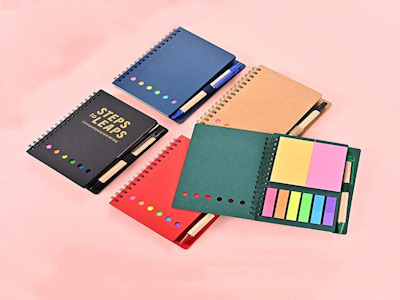




Дорогие студенты! В мире учебы и знаний организация ваших материалов играет ключевую роль. Представьте себе: вы готовитесь к важному экзамену, перелистываете конспекты, и вдруг страницы начинают разваливаться. Это не только раздражает, но и может стоить вам драгоценного времени и нервов. Именно здесь на помощь приходит студенческий клей — незаменимый инструмент, который прочно скрепит ваши учебные материалы навсегда. В этой статье мы подробно рассмотрим, почему этот простой продукт стал must-have для каждого учащегося, как он работает, его преимущества, и как выбрать лучший вариант для ваших нужд. Мы углубимся в историю клеящих средств, современные технологии, практические советы по использованию, и даже затронем экологические аспекты. Приготовьтесь узнать все, что нужно, чтобы ваша учеба стала еще эффективнее и комфортнее!
Студенческий клей — это не просто канцелярская принадлежность; это символ надежности и порядка в хаотичном мире учебы. С самого детства мы знакомы с клеем: в детском саду для поделок, в школе для проектов, и теперь в университете для серьезных академических работ. Но что делает студенческий клей особенным? Прежде всего, его формула разработана specifically для бумажных материалов, таких как учебники, конспекты, рефераты и дипломные работы. Он обеспечивает прочное сцепление без повреждения бумаги, что критически важно для долговечности ваших записей. Кроме того, современные клеи часто бывают быстросохнущими, бескислотными и даже ароматизированными, чтобы сделать процесс склеивания приятным. В эпоху цифровых технологий может показаться, что бумага уходит в прошлое, но реальность такова, что физические материалы остаются незаменимыми для многих студентов. Они позволяют делать заметки на полях, highlight important points, and create tactile learning experiences that screens cannot replicate. Therefore, having a reliable adhesive is more important than ever.
Чтобы fully appreciate the student glue of today, let's take a brief journey through history. The use of adhesives dates back to ancient times. Early humans used natural substances like tree sap, animal glue, and even blood to bond materials together. For example, in ancient Egypt, glue made from animal parts was used in woodworking and papyrus scrolls. Fast forward to the 19th century, with the Industrial Revolution, synthetic adhesives began to emerge. The first commercial glues were often based on casein (from milk) or rubber. In the 20th century, advancements in chemistry led to the development of PVA (polyvinyl acetate) glue, which is now the base for most student glues. PVA glue is water-based, non-toxic, and dries clear, making it ideal for paper projects. For students, this was a game-changer. No more messy, smelly glues that damaged paper or took forever to dry. Today, student glues incorporate additives for better flexibility, water resistance, and even biodegradability. This evolution reflects our growing need for efficiency and sustainability in everyday products.
The importance of student glue cannot be overstated. Firstly, it promotes organization. When your notes are neatly bound together, you can easily review them without fear of losing pages. This is crucial during exam season when every minute counts. Secondly, it enhances durability. Textbook pages often tear at the spines, especially with frequent use. A good glue can reinforce these areas, extending the life of your books and saving you money in the long run. Thirdly, it fosters creativity. Beyond academic use, glue is essential for projects, presentations, and even artistic endeavors like scrapbooking. Moreover, in a psychological sense, having well-organized materials can reduce stress and increase motivation. Studies have shown that a tidy study environment improves focus and retention. Imagine the confidence boost when you open a perfectly bound notebook versus a pile of loose sheets! Additionally, in group projects, glue helps assemble collective work seamlessly, ensuring that everyone's contributions are integrated properly. Thus, student glue is not just a tool; it's a catalyst for academic success.
With so many options on the market, choosing the right student glue can be daunting. Here are some key factors to consider. Type of glue: The most common types are liquid glue, glue sticks, and double-sided tape. Liquid glue is great for large surfaces and provides a strong bond, but it can be messy. Glue sticks are clean and easy to use, ideal for quick fixes. Double-sided tape is perfect for precise applications without waiting for drying time. Drying time: Look for fast-drying formulas if you're in a hurry. Some glues dry in seconds, while others may take minutes. Acidity: Acid-free glues are essential for preserving paper over time, as acids can cause yellowing and deterioration. This is particularly important for archival materials like thesis papers. Toxicity: Ensure the glue is non-toxic and safe for use, especially if you have allergies or are working in enclosed spaces. Many student glues are certified non-toxic. Brand reputation: Trusted brands like Pritt, UHU, or Elmer's have a history of reliability. Read reviews from other students to get real-world insights. Price: Student budgets are often tight, so find a balance between cost and quality. Sometimes, spending a bit more on a premium glue can save you from frustrations later. Lastly, consider eco-friendly options if sustainability is important to you. Some glues are made from renewable resources and are biodegradable.
To get the most out of your student glue, follow these practical tips. First, always prepare the surface. Make sure the paper is clean and dry before applying glue. Any moisture or dust can weaken the bond. For liquid glue, use a brush or applicator to spread it evenly. Avoid applying too much, as excess glue can cause wrinkling or take longer to dry. A thin, even layer is best. For glue sticks, apply in a smooth, consistent motion to cover the entire area. If you're gluing thick materials, consider using a clamp or heavy book to press them together while drying; this ensures a stronger bond. Second, be patient. Allow sufficient drying time as per the product instructions. Rushing can lead to poor adhesion. Third, store your glue properly. Keep caps tightly closed to prevent drying out. Most glues have a shelf life, so check expiration dates. Fourth, for temporary bonds, use repositionable glue, which allows you to move items without residue. Fifth, if you make a mistake, many glues can be removed with water or a damp cloth before they fully set. Finally, experiment on scrap paper first to test the glue's behavior with your specific materials. These small steps can make a big difference in the outcome.
The world of adhesives is constantly evolving, and student glues are no exception. Recent innovations have made them even more user-friendly and effective. For instance, some modern glues come with built-in UV protection to prevent yellowing from sunlight exposure. Others are formulated to be washable, meaning they can be removed easily if needed, which is great for temporary projects or corrections. There are also color-changing glues that go on purple and dry clear, so you can see where you've applied it—a handy feature for precise work. Eco-innovations include glues made from plant-based materials like cornstarch, which are biodegradable and reduce environmental impact. Additionally, smart packaging: dispensers that prevent clogging and waste, such as rollerball applicators or squeeze bottles with precision tips. Some brands even offer scented glues to make the experience more enjoyable, though this is more common in children's products. Looking ahead, we might see adhesives that integrate with digital tools, like QR codes on glue bottles linking to tutorials or apps that help with organization. These advancements not only improve functionality but also align with the modern student's lifestyle, which values efficiency, sustainability, and technology.
As students become more environmentally conscious, the sustainability of products like glue is gaining attention. Traditional glues can contain chemicals that are harmful to the environment, such as volatile organic compounds (VOCs) that contribute to air pollution. However, many manufacturers are now producing eco-friendly alternatives. These glues are often water-based, non-toxic, and made from renewable resources. For example, some are derived from natural polymers like cellulose or starch. Biodegradable glues break down naturally over time, reducing landfill waste. When choosing a student glue, look for certifications like the Green Seal or EPA's Safer Choice label, which indicate environmentally preferable products. Additionally, consider the packaging: opt for glues in recyclable containers or those with minimal plastic. As a student, you can also practice sustainability by using glue sparingly and repurposing materials instead of always buying new. Every small action counts toward a greener planet. By supporting eco-friendly products, you're not only protecting your health but also contributing to a larger movement against climate change and pollution.
To illustrate the impact of student glue, let's hear from real users. Anna, a medical student, shares: "During my finals, I had hundreds of pages of notes. Using a high-quality glue stick, I bound them into topic-specific booklets. It made revision so much easier, and I aced my exams!" Then there's Dmitry, an engineering student: "For group projects, we often combine printed diagrams. Double-sided tape from a student glue set allowed us to assemble everything quickly without mess." Another story comes from Maria, an art student: "I use acid-free liquid glue for my portfolios. It preserves my work beautifully, and professors always compliment the professionalism." These anecdotes highlight how something as simple as glue can transform academic experiences. It's not just about sticking paper; it's about creating order, saving time, and boosting confidence. Whether you're in humanities, sciences, or arts, a reliable adhesive is a universal tool that supports learning and achievement.
В заключение, студенческий клей — это much more than a mundane stationery item. It is a powerful ally in your educational journey, ensuring that your materials remain intact, organized, and ready for any challenge. From its rich history to modern innovations, glue has evolved to meet the needs of today's students. By choosing the right product and using it wisely, you can enhance your study efficiency, reduce stress, and even contribute to environmental sustainability. Remember, in the fast-paced world of academia, every detail matters. Don't let loose pages hold you back; invest in a good student glue and experience the difference it makes. As you move forward in your studies, let this humble tool be a symbol of your commitment to excellence and order. Прочно скрепите ваши учебные материалы навсегда и откройте двери к успеху!
Спасибо за чтение! Если у вас есть вопросы или собственные советы по использованию клея, делитесь в комментариях ниже. Удачи в учебе!
Предыдущая статья: Какой тип скоб для степлера выбрать для домашнего использования
Следующий пост: Какие бывают степлеры для студентов