Как два отверстия могут изменить вашу организацию документов
Время публикации:2026-01-03 04:01:10
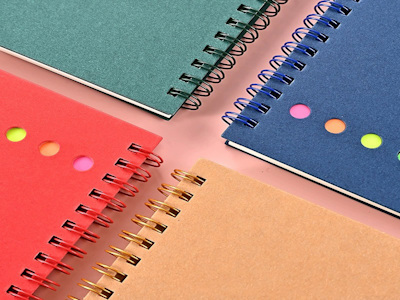



В современном мире, где информация является ключевым активом, организация документов играет критически важную роль в эффективности бизнеса, государственных учреждений и даже личной жизни. Казалось бы, простые элементы, такие как два отверстия для перфорации, могут показаться незначительными, но на самом деле они способны кардинально трансформировать подход к управлению документами. В этой статье мы углубимся в то, как эти отверстия могут стать катализатором изменений, повысить производительность, снизить затраты и улучшить общую организационную структуру. Мы рассмотрим исторический контекст, практические применения, психологические аспекты, технологические инновации и будущие тенденции, связанные с этим простым, но мощным инструментом.
Организация документов — это не просто вопрос аккуратности; это фундаментальный аспект управления информацией, который влияет на все сферы деятельности. Два отверстия, стандартизированные в системах перфорации, таких как система с двумя отверстиями для папок-скоросшивателей, представляют собой универсальный метод для упорядочивания бумажных и цифровых документов. Их простота скрывает глубокое воздействие: они позволяют легко сортировать, хранить и извлекать информацию, что в свою очередь уменьшает время, затрачиваемое на поиск документов, и повышает общую эффективность. В эпоху цифровизации, когда многие предсказывают смерть бумажных документов, реальность такова, что физические носители все еще играют vital роль, и отверстия остаются relevant. Например, в юридических фирмах, медицинских учреждениях или архивах, где долгосрочное хранение необходимо, система с отверстиями обеспечивает надежность и доступность. Кроме того, эта система эволюционировала to incorporate digital elements, such as barcodes or QR codes near the holes, bridging the gap between analog and digital worlds. This article will explore how these two holes can lead to a paradigm shift in document organization, drawing on examples from various industries, psychological insights into human organization behavior, and predictions for the future. By the end, readers will understand that small changes, like adding holes, can have monumental effects on productivity and cost savings.
История организации документов насчитывает тысячелетия, начиная с древних цивилизаций, которые использовали глиняные таблички и свитки. Однако концепция perforation для упорядочивания emerged relatively recently. В XIX веке, с industrial revolution и ростом bureaucracy, need for efficient document management became apparent. Изобретение дырокола в 1886 году Фридрихом Зённеккеном в Германии marked a turning point. Initially, systems varied — some used one hole, others three or four — but the two-hole system gained popularity due to its balance of simplicity and functionality. It allowed for easy binding in folders or binders, facilitating quick access and reducing clutter. Over time, standards developed, such as the ISO 838 for two-hole punching, which specifies the distance between holes (80 mm) and their diameter, ensuring interoperability across different devices and regions. This standardization enabled global adoption, making it a cornerstone of office organization. In the 20th century, with the rise of computers, some predicted the decline of paper-based systems, but instead, we saw a synergy where holes were used in conjunction with digital tools. For instance, perforated documents could be easily scanned and indexed, with the holes serving as reference points for OCR (optical character recognition) software. Today, the legacy of these holes continues, influencing modern document management systems (DMS) that integrate physical and digital storage. Understanding this history highlights how a simple innovation can have lasting impact, and it sets the stage for appreciating their current relevance.
На практическом уровне, два отверстия offer numerous benefits for document organization. First, they enable systematic filing. By punching holes in documents, they can be neatly organized in binders or folders, categorized by topic, date, or project. This reduces the time spent searching for specific papers; studies show that employees spend up to 30% of their workday looking for information, and a well-organized system with holes can cut that time significantly. For example, in a corporate setting, financial reports punched with holes can be quickly accessed during audits, improving compliance and reducing stress. Second, holes facilitate collaboration. In team environments, documents can be easily shared and updated without loss or misplacement. The physical act of punching holes can also serve as a ritual that reinforces organizational habits, making employees more mindful of document management. Third, cost savings are substantial. By reducing paper waste through better organization, companies can lower storage costs and minimize the need for reprints. Additionally, holes can be used in automated systems; for instance, in manufacturing or logistics, perforated tags with holes are used for inventory management, where scanners read information aligned with the holes. From a psychological perspective, the uniformity provided by holes creates a sense of order, which can reduce cognitive load and increase focus. Case studies from industries like healthcare show that patient records organized with hole-punched systems lead to fewer errors and faster retrieval times, ultimately saving lives. In education, teachers use punched worksheets to keep student work organized, enhancing learning efficiency. Thus, the humble hole is a powerful tool for boosting productivity across sectors.
Организация документов is not just a logistical challenge; it's deeply tied to human psychology. The use of holes taps into fundamental cognitive principles. Firstly, humans have a natural preference for order and symmetry. The two holes provide a visual and physical structure that makes documents appear neat and manageable, reducing anxiety associated with clutter. Research in environmental psychology shows that organized spaces improve mental well-being and productivity. Secondly, the act of punching holes can be satisfying and ritualistic, similar to how tidying up can provide a sense of control. This behavioral aspect encourages consistency in document handling. Thirdly, holes serve as anchors for memory; by associating documents with a specific placement in a binder, recall becomes easier. This is supported by theories like the "method of loci" in memory studies, where physical locations aid information retrieval. In organizational behavior, systems with holes promote standardization, which reduces decision fatigue—employees don't have to think about how to file something; they just punch and place it. This simplicity fosters adherence to protocols, leading to better compliance with policies such as data retention laws. Moreover, in a digital age, the tangibility of hole-punched documents can provide a break from screen time, reducing digital fatigue and enhancing engagement. For instance, in creative industries, storyboards or design drafts with holes allow for easy rearranging, stimulating innovation. By understanding these psychological drivers, organizations can leverage holes not just as tools, but as catalysts for cultural change towards greater efficiency and satisfaction.
С advent of technology, the role of holes in document organization has evolved beyond paper. Today, they are integrated with digital systems to create hybrid solutions. For example, modern hole punchers can be connected to software that automatically indexes documents based on the hole patterns. When a document is punched, a camera or sensor detects the holes and assigns metadata, such as creation date or category, which is then stored in a database. This bridges the physical-digital divide, allowing for seamless retrieval. Additionally, holes are used in technologies like RFID (radio-frequency identification) tags; small RFID chips can be placed near holes, enabling tracking of physical documents through warehouses or offices. In archiving, high-resolution scanners use the holes as alignment markers to ensure accurate digitization, preserving documents for long-term access. Furthermore, with the rise of IoT (Internet of Things), smart binders with sensors can detect when documents are added or removed based on hole interactions, sending alerts to management systems. This enhances security and accountability. In the context of sustainability, holes contribute to eco-friendly practices; by enabling efficient organization, they reduce the need for excessive printing and storage, aligning with green initiatives. Companies like Canon and Xerox have developed multi-function devices that combine punching, scanning, and printing, streamlining workflows. Looking ahead, advancements in materials science may lead to self-healing holes or smart paper that changes properties based on hole configurations. Thus, what started as a simple mechanical feature is now at the forefront of innovation, demonstrating that even traditional elements can adapt and thrive in the digital era.
Будущее организации документов будет shaped by continued integration of physical and digital elements, and holes will play a key role. One trend is the increased use of automation; robots equipped with vision systems could handle hole punching and filing, reducing human labor and errors. Another trend is personalization; with 3D printing, custom hole patterns could be created for specific needs, enhancing flexibility. In terms of sustainability, biodegradable or reusable hole-punched materials will gain prominence, reducing environmental impact. Additionally, as artificial intelligence advances, AI algorithms could analyze hole patterns to predict organizational needs or optimize storage layouts. For instance, machine learning models might suggest the best hole placement for maximum efficiency based on document usage patterns. In the realm of security, cryptographic techniques could be embedded near holes for tamper-proof document authentication. Globally, as remote work becomes more common, portable hole punchers and digital twins of physical systems will allow for consistent organization across dispersed teams. Moreover, the concept of "holes" might extend metaphorically to digital files—for example, virtual perforation in PDFs for easy sorting in software. Ultimately, the enduring appeal of holes lies in their simplicity and adaptability. They remind us that innovation doesn't always require complexity; sometimes, the smallest changes, like two holes, can drive significant progress. Organizations that embrace these trends will be better positioned for efficiency, resilience, and growth in an increasingly information-driven world.
В заключение, два отверстия для перфорации — это much more than a mundane office supply; they are a symbol of how simplicity can revolutionize complex systems. From historical roots to future innovations, they have proven to be a versatile tool for enhancing document organization. By improving efficiency, reducing costs, and tapping into psychological benefits, holes offer a practical solution to the challenges of information management. As we move forward, integrating them with technology will unlock new possibilities, ensuring that organization remains a cornerstone of productivity. Whether in a small business or a large corporation, adopting a system based on holes can lead to tangible improvements—less time wasted, fewer errors, and a more organized mindset. So, the next time you punch a hole in a document, remember that you're not just making it fit in a binder; you're contributing to a larger ecosystem of order and innovation. Embrace the power of these two holes, and watch as they transform your document organization, one punch at a time.
Эта статья aimed to provide a comprehensive exploration, but the journey doesn't end here. Consider evaluating your current document practices and experimenting with hole-based systems to experience the benefits firsthand. For further reading, explore resources on ISO standards or digital integration tools. Remember, in the world of organization, sometimes the smallest details make the biggest difference.
Предыдущая статья: Изобретение века почему каждая компания должна использовать однодырчатый перфоратор
Следующий пост: Почему офисный дырокол это незаменимый инструмент для организации документов