Эволюция офисных графических средств от бумаги к пикселям
Время публикации:2026-01-25 04:01:10
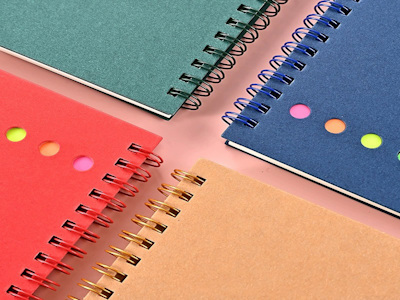




Введение в тему: Офисные графические средства играют ключевую роль в визуализации данных, презентациях и коммуникации в бизнес-среде. За последние десятилетия они претерпели значительную трансформацию, перейдя от аналоговых бумажных методов к цифровым пиксельным технологиям. Эта эволюция не только изменила способы работы, но и повлияла на эффективность, доступность и креативность в офисной среде.
В начале 20 века офисная графика основывалась на бумажных носителях. Ручное рисование, использование чертежных досок, линейок и циркулей было нормой. Графики и диаграммы создавались вручную, что требовало много времени и навыков. Бумага была основным medium для хранения и передачи информации, но её limitations включали ограниченную редактируемость, физическую хрупкость и трудности в масштабировании.
С развитием компьютерных технологий в 1960-1970-х годах начали появляться первые цифровые графические системы. Ранние компьютеры, такие как IBM 2250, позволяли создавать простые векторные рисунки. Это marked the beginning of the shift from analog to digital, though these tools were expensive and accessible only to large corporations.
В 1980-х годах с распространением персональных компьютеров, таких как Apple Macintosh и IBM PC, пиксельная графика became mainstream. Программы like Microsoft Paint и ранние версии Adobe Illustrator enabled users to create and edit images on screen. Пиксели, как basic units of digital images, allowed for precise control, easy editing, and integration with other software. This era saw the rise of raster graphics, where images are composed of pixels, contrasting with the vector-based approaches of the past.
Сегодня офисные графические средства evolved to include cloud-based platforms like Google Slides, Canva, and Adobe Creative Cloud. Эти tools leverage high-resolution displays, AI for auto-design, and collaborative features. Пиксельная графика has advanced to support 4K and beyond, enabling stunning visualizations. The integration with big data and real-time collaboration has transformed how offices operate, making graphics more dynamic and accessible.
Переход от бумаги к пикселям brought numerous benefits: increased efficiency, reduced costs (e.g., less paper waste), enhanced creativity through digital tools, and global accessibility. However, challenges include the digital divide, where not all regions have equal access to technology, and issues like data security and over-reliance on screens leading to eye strain.
Looking ahead, the evolution continues with emerging technologies like virtual reality (VR), augmented reality (AR), and quantum computing. These could further blur the lines between physical and digital, offering immersive graphic experiences. The focus will likely be on sustainability, with digital solutions reducing environmental impact, and on inclusivity, ensuring tools are user-friendly for all.
Эволюция офисных графических средств от бумаги к пикселям представляет собой fascinating journey of technological progress. It has empowered businesses to communicate more effectively and innovate continuously. As we move forward, embracing these changes while addressing associated challenges will be key to maximizing the potential of office graphics.
Предыдущая статья: Раскройте талант ребенка с помощью этих удивительных карандашей
Следующий пост: Создай свой мир яркими цветами с помощью карандашей для студентов