Как ученические инструменты для рисования меняют творческий подход
Время публикации:2026-01-25 12:01:10
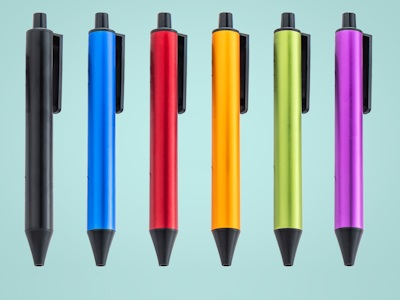




В мире искусства и образования инструменты для рисования играют ключевую роль в формировании творческого мышления. От простых карандашей до сложных акварельных наборов, эти принадлежности не просто помогают создавать изображения, но и кардинально меняют то, как мы подходим к творчеству. В этой статье мы глубоко погрузимся в то, как ученические инструменты для рисования влияют на творческий подход, обсуждая их психологические, образовательные и практические аспекты. Мы рассмотрим, почему инвестирование в качественные инструменты может открыть новые горизонты для художников всех возрастов, и предложим советы по выбору лучших вариантов.
Творчество – это не просто врожденный талант; это навык, который можно развивать с помощью правильных инструментов. Ученические инструменты для рисования, такие как карандаши, кисти, краски и бумага, служат фундаментом для художественного выражения. Они позволяют экспериментировать, ошибаться и учиться, что является essential part творческого процесса. Исследования показывают, что использование качественных материалов повышает мотивацию и уверенность в себе, особенно у детей и начинающих художников. Например, мягкий графитовый карандаш может дать больше контроля над линиями, в то время как яркая акварель encourages spontaneous creativity. В этом разделе мы обсудим, как инструменты становятся extension of the artist's mind, facilitating innovation and personal growth.
Рисование как форма искусства существует тысячелетиями, и инструменты эволюционировали от примитивных угольных палочек до sophisticated digital tablets. В древности люди использовали natural materials like ochre and charcoal to create cave paintings, which were not only artistic but also communicative. С развитием цивилизации, инструменты стали более specialized: в Древнем Египте использовались тростниковые кисти и pigments, в эпоху Возрождения – масляные краски и холсты, которые позволили artists like Leonardo da Vinci создавать шедевры. В 19-м веке, с industrial revolution, массовое производство сделало инструменты доступными для широкой публики, включая учеников. Сегодня, ученические наборы often include a variety of tools designed for ease of use and educational purposes. This historical progression highlights how tools have always been integral to creative expression, and modern ученические инструменты build on this legacy to foster innovation.
Различные инструменты для рисования offer unique benefits that can transform creative approaches. Let's explore some of the most common ученические инструменты and how they contribute to artistic development.
Карандаши – perhaps the most fundamental drawing tool – come in various grades from hard (H) to soft (B). Hard pencils like 2H or 4H are ideal for precise lines and technical drawings, helping students develop discipline and attention to detail. On the other hand, soft pencils like 2B or 6B allow for expressive shading and bold strokes, encouraging emotional expression. For learners, using a range of pencils teaches them about value and contrast, which are crucial elements in art. Moreover, the act of sharpening a pencil and feeling the graphite on paper can be a meditative process that enhances focus and creativity. Studies have shown that simple tools like pencils can reduce anxiety and improve cognitive function, making them excellent for educational settings.
Кисти и краски, such as watercolors, acrylics, or tempera, introduce color and fluidity into the creative process. Watercolors, for instance, are popular in ученические наборы because they are easy to use and clean, yet they offer endless possibilities for blending and layering. This encourages students to experiment with color theory, learning about primary, secondary, and complementary colors. The unpredictability of watercolor can teach adaptability and problem-solving, as artists must work with mistakes rather than against them. Acrylics provide opacity and versatility, allowing for bold statements and textures. By using brushes of different sizes and shapes, students develop fine motor skills and an understanding of brushwork techniques, which can be applied to other art forms. Overall, paints foster a sense of freedom and joy in creation, which is essential for nurturing a lifelong love of art.
The choice of paper or drawing surface significantly impacts the creative outcome. ученическая бумага often comes in weights and textures suited for different media. For example, smooth paper is ideal for pencil drawings, while rough paper enhances the effects of watercolors. Using high-quality paper can prevent bleeding and buckling, giving students the confidence to explore without limitations. Additionally, alternative surfaces like canvas or wood panels can inspire new approaches, such as mixed media art. This variety teaches students about material properties and how to select the right foundation for their vision, fostering critical thinking and innovation.
Accessories like erasers and sharpeners might seem mundane, but they play a vital role in the creative process. A good eraser allows for corrections and revisions, promoting a growth mindset where mistakes are seen as opportunities to learn. Sharpeners ensure that tools are always ready for use, maintaining consistency in work. In the modern era, digital tools such as graphic tablets and apps have become part of ученические инструменты, offering new ways to create and edit art. These tools can simulate traditional media while providing undo buttons and layers, which reduce fear of failure and encourage experimentation. Blending traditional and digital tools can lead to hybrid creative approaches that are highly innovative.
Творческий подход heavily relies on psychological factors like confidence, motivation, and openness to experience. ученические инструменты can directly influence these aspects. For instance, using high-quality materials can boost self-esteem because the results look more professional, which in turn motivates further practice. On the flip side, poor-quality tools can lead to frustration and abandonment of artistic pursuits. Research in educational psychology shows that the physical act of drawing can reduce stress and improve mental health by providing an outlet for emotions. Tools that are easy to handle, such as ergonomic brushes or break-resistant pencils, make the process more enjoyable, reducing barriers to creativity. Moreover, the variety of tools available allows individuals to find their preferred medium, which aligns with their personal style and enhances authentic expression. By fostering a positive psychological environment, инструменты для рисования help build resilient and innovative thinkers.
In educational settings, ученические инструменты для рисования are not just for art classes; they integrate into STEM education (e.g., drawing diagrams in science) and holistic development. Schools that invest in quality art supplies often see improved academic performance because art enhances spatial reasoning, problem-solving, and communication skills. For example, drawing maps in geography class or sketching biological specimens helps students visualize and retain information. Beyond school, community art programs use these tools to engage youth in positive activities, reducing delinquency and promoting social skills. The accessibility of ученические инструменты means that art education can be democratized, allowing children from all backgrounds to explore their creativity. This section will delve into case studies and statistics showing how tools like colored pencils or clay have transformed classrooms and communities, emphasizing the importance of funding for arts education.
Selecting the right ученические инструменты can be overwhelming due to the plethora of options available. Here are some practical tips to guide your choices:
By making informed choices, you can ensure that the tools enhance rather than hinder the creative process.
The world of ученические инструменты is constantly evolving with technological advancements. Digital art tools are becoming more integrated into education, with apps like Procreate or hardware like iPads offering immersive experiences. However, traditional tools remain relevant due to their tactile nature, which is crucial for sensory development. Future trends may include eco-friendly materials, such as recycled paper or biodegradable paints, aligning with growing environmental awareness. Additionally, augmented reality (AR) tools could allow students to visualize their drawings in 3D space, blending physical and digital creativity. These innovations will continue to change how we approach art, making it more accessible and engaging for future generations. Embracing both old and new tools will be key to fostering a dynamic creative approach.
В заключение, ученические инструменты для рисования are much more than mere supplies; they are catalysts for creative transformation. By providing the means to explore, express, and innovate, these tools empower individuals to develop unique artistic voices. Whether through the precision of a pencil, the vibrancy of paint, or the innovation of digital media, each tool offers a pathway to enhanced creativity. As we move forward, it is essential to support art education and ensure that quality tools are available to all, because they hold the power to change not only how we create art but also how we see the world. Invest in good инструменты, and watch creativity flourish.
Thank you for reading this comprehensive exploration. We hope it inspires you to pick up a tool and start creating!
Предыдущая статья: Графические инструменты меняют подход к созданию контента
Следующий пост: Раскройте талант ребенка с помощью этих удивительных карандашей